
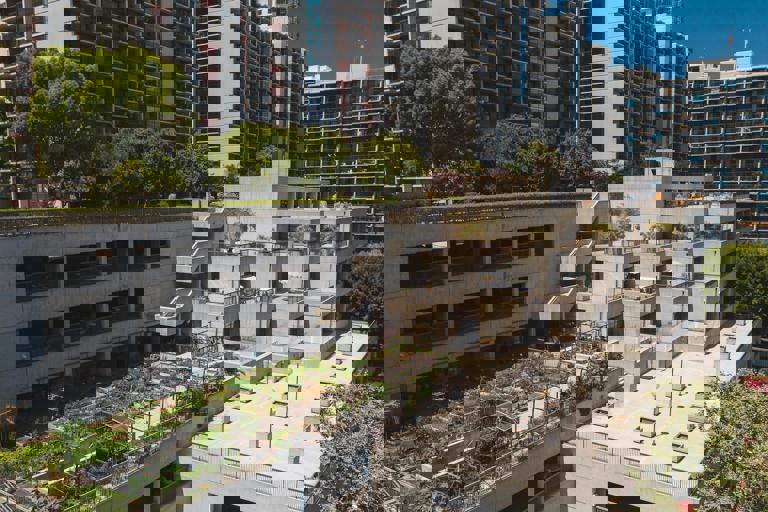
Hidden above a busy avenue in Sandbanks, a remarkable transformation is quietly capturing the imagination of local residents and business owners alike. The previously unassuming roof of a bayside building now bursts with lush greenery, winding footpaths, and colourful flower beds, an oasis sharply contrasting its urban surroundings. This innovative rooftop garden, initially conceived as a private retreat, has blossomed into a symbol of creative urban renewal and sparked unexpected community interest.
The creator of the secret garden, Charlotte Wheeler, said her decision to green the rooftop began as a personal project, inspired by a desire to improve her mental wellbeing during lockdown. "At first, it was a way to escape the concrete and noise," Wheeler explained. "But as plants flourished, so did my sense of connection to the city and nature." Her journey soon gained the attention of neighbours who glimpsed the garden from higher vantage points.
Local reaction has been overwhelmingly positive, with many Sandbanks residents expressing admiration not only for the garden's beauty but for the sense of hope it brings. Marcus Rowe, who lives in a neighbouring building, described the effect: "When I saw the rooftop transform, it made me think about what's possible. It’s inspired people to look up, literally and figuratively." The rooftop, once a neglected space, now draws smiles and conversation across the street.
Beyond its visual appeal, the rooftop garden is proving a catalyst for a broader movement towards urban horticulture across Sandbanks. Several nearby businesses and landlords have reached out to Wheeler for advice on creating their own green spaces, eager to replicate the benefits she’s uncovered. Recent planning applications show a notable uptick in proposals for rooftop gardens and communal terraces, an encouraging sign for the area’s landscape.
The environmental benefits of rooftop greenery are well documented, and Sandbanks stands to gain significantly. Roof gardens are known to reduce urban heat by absorbing sunlight, help manage stormwater runoff, and provide critical support to pollinators like bees and butterflies. According to local conservationist Ellen Grant, "Even small patches of green can make a big difference in urban biodiversity." These gains are especially relevant in compact, built-up areas.
Research from UK green building advocates suggests that adding rooftop gardens could reduce city temperatures by up to 3 degrees Celsius during heatwaves—a compelling statistic for Sandbanks given concerns about increasingly warm summers. Furthermore, plants filter pollutants from the air, contributing to better city-wide health outcomes. Wheeler’s rooftop refuge has therefore become more than an aesthetic flourish; it offers measurable ecological advantages.
The growing popularity of rooftop gardening in Sandbanks is also building new social bonds. Residents have begun organising monthly rooftop visits and gardening workshops, turning rooftops into unexpected gathering places. Local schools have expressed interest in using the gardens as outdoor classrooms, while hobbyists and professional landscapers exchange tips at weekend meetups. As Wheeler noted, "It’s gone from a private space to one that brings people together in so many ways."
Despite the enthusiasm, challenges remain for those looking to replicate Wheeler’s secret garden. Technological and logistical hurdles—such as ensuring rooftop water-proofing, supporting soil weight, and complying with building regulations—demand careful planning. However, recent city council briefings suggest growing support, with incentives for sustainable building improvements on the agenda. Access to grants and expert advice is making the process more accessible for newcomers.
Looking ahead, the secret rooftop garden atop Wheeler’s building may be just the first of many such sanctuaries across Sandbanks. City planners envision greener skylines, harnessing urban gardening both for environmental resilience and community enrichment. As the city’s rooftops awaken with life, a single act of creativity has ignited a collective vision for a greener, more connected Sandbanks—one garden at a time.